Ynysybwl and Coedycwm Community Council
The Community Council was established in 1974, following the abolition of civil parishes in Wales and their replacement by communities under the Local Government Act 1972. This is when the modern framework for community councils (the Welsh equivalent of parish councils) was introduced, and bodies like the Ynysybwl & Coed-y-Cwm Community Council would have come into being under that system or soon after as part of the reorganisation.
Ynysybwl (Ynys-y-Bwl)
The history of Ynysybwl (pronounced un-iss-uh-bull) is a quintessential Welsh story of transformation: from a quiet, pastoral river meadow to a high-octane industrial powerhouse, and finally into a peaceful residential community.
Nestled in the Cwm Clydach valley, its identity is forever tied to the “Lady Windsor” colliery.
Pre-Industrial Origins (Medieval – 1880s)
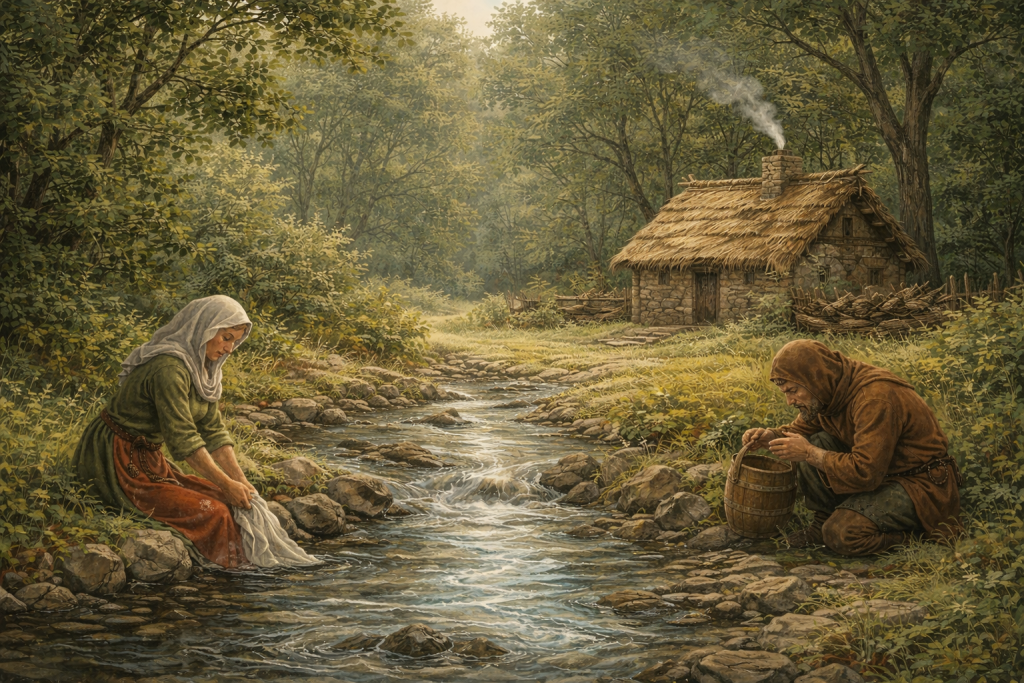
Before the smoke of the Industrial Revolution reached this valley, Ynysybwl was a remote, rural landscape.
- The Name: “Ynys” usually means an island or a river meadow, and “Bwl” is thought to be a corruption of a personal name or perhaps “Pwll” (pit/pool).
- Monastic Links: The area was dominated by scattered farmsteads like Mynachdy (Monastery), which suggests the land was once owned by the Cistercian monks of Llantarnam.
- The Landscape: Life revolved around the Nant Clydach stream and the ancient Llanwynno forest, which was a site of pilgrimage and legend long before coal was discovered.
The Coal Rush: Lady Windsor Colliery (1884–1914)
The village was effectively “born” in 1884 when the David Davies Ocean Coal Company sank the shafts for the Lady Windsor Colliery.
- Rapid Growth: Within a few years, the population exploded as workers migrated from all over Wales, the West Country, and Ireland.
- A “Model” Village: Unlike the cramped, chaotic layouts of some Rhondda valleys, Ynysybwl was partially planned. It featured wider streets and stone-terraced houses built to house the thousands of miners needed to extract the high-quality steam coal.
- Infrastructure: The Taff Vale Railway arrived in 1886, connecting the village to the docks at Cardiff and Barry.
The Social Heart: Rugby and Culture
As the money from coal flowed, the miners invested back into their community, creating a rich social fabric that survives to this day.
- The Workmen’s Hall: Built in 1904, this was the “Miners’ Cathedral.” It housed a library, a cinema, and a theatre, symbolising the workers’ commitment to self-improvement and education.
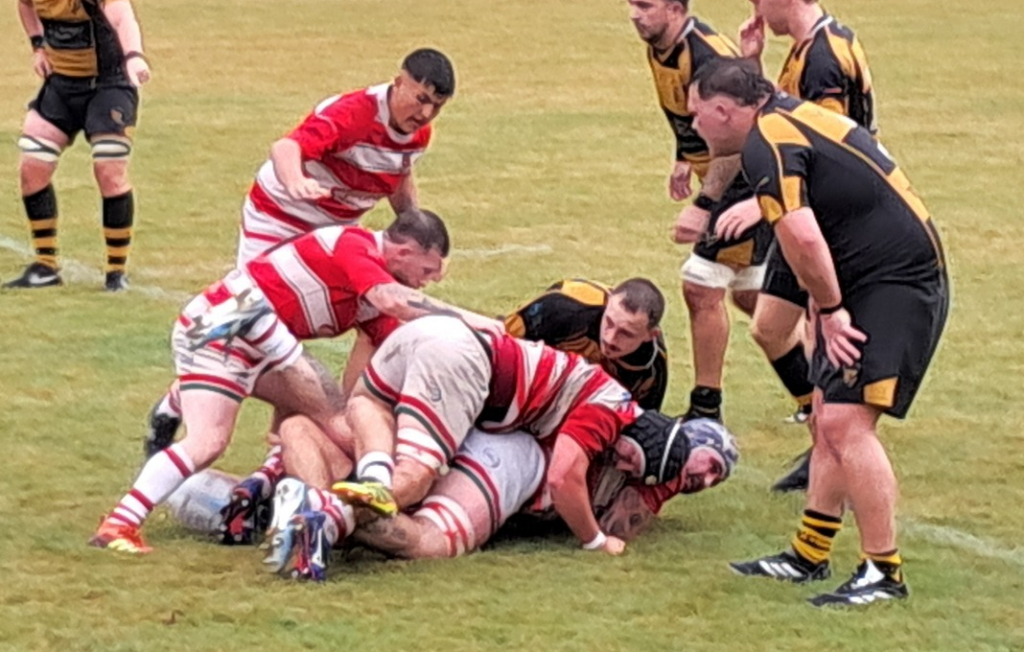
- Rugby Union: Ynysybwl RFC (formed in 1880) became a central pillar of village pride, eventually producing international stars and becoming a fearsome opponent in the Welsh leagues.
The 1984 Strike and the End of Coal
The late 20th century brought the decline of the coal industry. The men of Lady Windsor were known for their fierce solidarity during the 1984–1985 Miners’ Strike.
- Solidarity: The village was a stronghold of the National Union of Mineworkers (NUM). For a full year, the community survived on communal kitchens and strike funds.
- Closure: Despite being a modern and profitable pit, Lady Windsor was closed in 1988. Over 1,000 jobs were lost, leaving a massive economic and emotional vacuum in the valley.
Modern Ynysybwl: The Green Transition
Today, the scars of industry have largely been healed by nature.
- Outdoor Recreation: The site of the old colliery has become a haven for wildlife. The surrounding Llanwynno Forest is now a destination for mountain bikers and hikers.
- Community Regeneration: Local partnerships continue to work on revitalising the village centre, maintaining the “Bwl” spirit through festivals and local sports.
Coedycwm (Coed-y-Cwm)
Coed-y-Cwm is a small village in Rhondda Cynon Taf, South Wales, forming part of the community of Ynysybwl and Coedycwm just north of Pontypridd in the Nant Clydach valley. It is a rural, residential area close to the countryside and walking routes.
Early origins
Unlike larger, well-documented Welsh towns, there’s no detailed early medieval record specifically about Coedycwm itself. The village’s name — Coed-y-Cwm — comes from Welsh: “coed” meaning wood and “cwm” meaning valley — reflecting its wooded valley setting.
Growth with coal mining
The real growth of Coed-y-Cwm is tied to the industrial age:
- In the late 19th century, the Celtic valleys of South Wales, including the Clydach valley, were transformed by coal mining and associated industries.
- Nearby Ynysybwl expanded dramatically after the Lady Windsor Colliery opened in 1886, bringing population growth and housing development to the area for miners and their families — a context in which Coedycwm also grew as a residential community.
20th century
- The wider area depended heavily on coal mining and related jobs until the industry’s decline in the late 20th century (e.g., Lady Windsor Colliery closed in 1988).
- Since then, the community has shifted towards residential life, with many residents working outside the valley whilst enjoying the scenic landscape of the South Wales Valleys.
Today
- A quiet, sought-after residential area with a mix of housing types.
- Close to country walks and public transport links to Pontypridd and beyond.
- Part of a community that values heritage, local festivals, and outdoor life against the backdrop of the Welsh valleys.